Citizenship exam mock tests — CIPLE, DELE, DELF, CELI, DTZCIPLE A2 mock test online — Portuguese citizenship and residencyDELE A2 mock test online — Spanish citizenship and nationalityDELF B2 (France) mock test online — French citizenship and residencyCELI 2 (B1) mock test online — Italian citizenship and residencyDTZ B1 (Germany) mock test online — German permanent residence and citizenshipCAPLE — Portuguese language certificationInstituto Cervantes — DELE Spanish examsContact Prep2go — support@prep2go.study
My daily routine

Lesson 1 · A1 · ~22 min

Nice to meet you

Your first introductions in Portugal: say your name, ask theirs, and close with “muito prazer”.

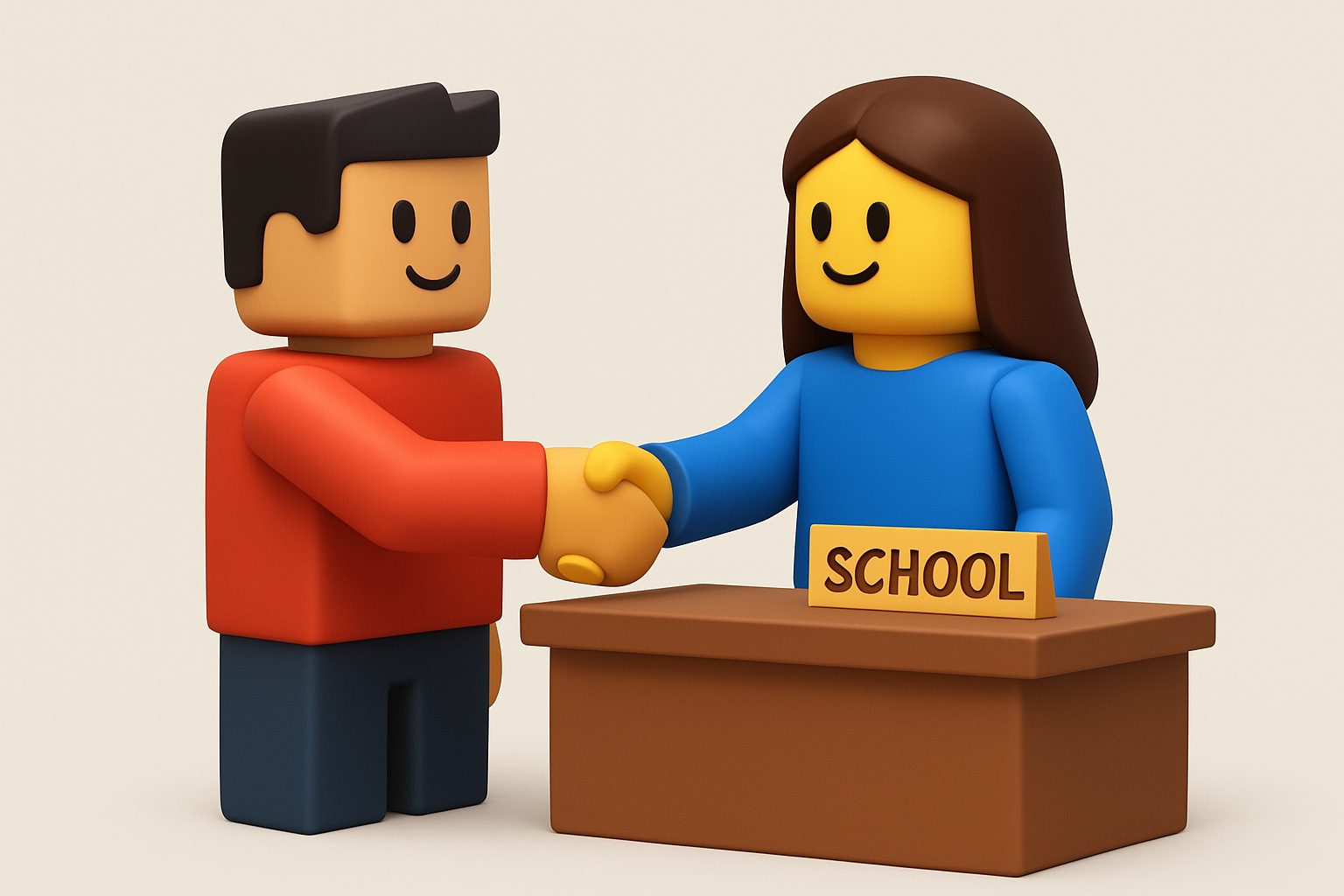
Nice to meet you — lesson cover

Ask for a name

Use one question and wait. You don’t need three variants in the first week.

  • Como é que se chama?
  • Como te chamas?
  • Qual é o seu nome?

Trap: answering with a question

When someone asks your name, answer with your name — don’t repeat their question.

  • — Como é que se chama? — Chamo-me Ana.
  • Não: — Como é que se chama? — Como é que se chama?

Close the intro

Add “Muito prazer” after names. It sounds natural and friendly in Portugal.

  • Muito prazer.
  • Muito prazer, Pedro.
  • Igualmente.

Key words

  • chamar-se to be called / to be named

    Chamo-me Rita.

    My name is Rita.

    chamar-se — to be called / to be named
  • muito prazer nice to meet you

    Muito prazer!

    Nice to meet you!

    muito prazer — nice to meet you
  • o nome name

    Qual é o seu nome?

    What is your name?

    o nome — name
  • bom dia good morning

    Bom dia. Como é que se chama?

    Good morning. What’s your name?

    bom dia — good morning
  • desculpe excuse me (polite)

    Desculpe, qual é o seu nome?

    Excuse me, what’s your name?

    desculpe — excuse me (polite)
  • obrigado / obrigada thank you (m/f speaker)

    Obrigada.

    Thank you.

    obrigado / obrigada — thank you (m/f speaker)
  • igualmente likewise / same to you

    — Muito prazer. — Igualmente.

    — Nice to meet you. — Likewise.

    igualmente — likewise / same to you
  • sou a / sou o I’m (with name, informal)

    Sou a Marta.

    I’m Marta.

    sou a / sou o — I’m (with name, informal)
  • e o senhor? / e a senhora? and you? (polite)

    Chamo-me Pedro. E a senhora?

    My name is Pedro. And you?

    e o senhor? / e a senhora? — and you? (polite)
  • prazer em conhecer pleased to meet you

    Prazer em conhecer.

    Pleased to meet you.

    prazer em conhecer — pleased to meet you

First day at the PLA school desk

Ana: Bom dia. Como é que se chama? Pedro: Bom dia. Chamo-me Pedro Silva. E a senhora? Ana: Chamo-me Ana Rocha. Muito prazer. Pedro: Muito prazer, Ana. Ana: É a sua primeira aula? Pedro: Sim. É a minha primeira vez aqui. Ana: Perfeito. Bem-vindo. Pedro: Obrigado, Ana.

Listening focus

E a senhora?

Why does Pedro say “E a senhora?”?

Quick check · 21 questions

Mostly choose-the-right-option drills — tap an answer to check yourself.

  • Which line gives your name most clearly?

  • Someone says “Muito prazer.” Best reply?

  • Complete the answer.

    Chamo-me _____.

  • Put the intro in a natural order.

    Tap chunks in order…
  • Match the Portuguese to the meaning.

    • Como é que se chama?
    • Muito prazer
    • Igualmente
  • Someone asks “Como é que se chama?” What do you do?

  • “Bom dia” is best used…

  • Which is European Portuguese for “What’s your name?” (formal)?

  • You want to say “Excuse me” before asking. Best word?

  • “Obrigado” is typically used by…

  • A woman thanking someone says…

  • “Sou a Ana” introduces…

  • Best follow-up after giving your name?

  • “Prazer em conhecer” means…

  • True or false: “Chamo-me …” is a clear way to give your name.

  • Someone says “Desculpe.” They are often…

  • Which is NOT a greeting?

  • Brazilian-leaning form that is a distractor here (not the pt-PT target):

  • You meet Rita. She says “Muito prazer.” You reply…

  • “O nome” means…

  • Reception asks your name. Best answer pattern:

Say it

You’re meeting a receptionist. Greet, give your name, say nice to meet you.

Bom dia…

Mini writing

Write 2–3 lines: greet someone, give your name, say nice to meet you.

Scaffold: Bom dia. Chamo-me … Muito prazer.