Citizenship exam mock tests — CIPLE, DELE, DELF, CELI, DTZCIPLE A2 mock test online — Portuguese citizenship and residencyDELE A2 mock test online — Spanish citizenship and nationalityDELF B2 (France) mock test online — French citizenship and residencyCELI 2 (B1) mock test online — Italian citizenship and residencyDTZ B1 (Germany) mock test online — German permanent residence and citizenshipCAPLE — Portuguese language certificationInstituto Cervantes — DELE Spanish examsContact Prep2go — support@prep2go.study
My daily routine

Lesson 3 · A1 · ~20 min

Hello and goodbye

Greet and leave the Portuguese way — match bom dia / boa tarde to the time of day.

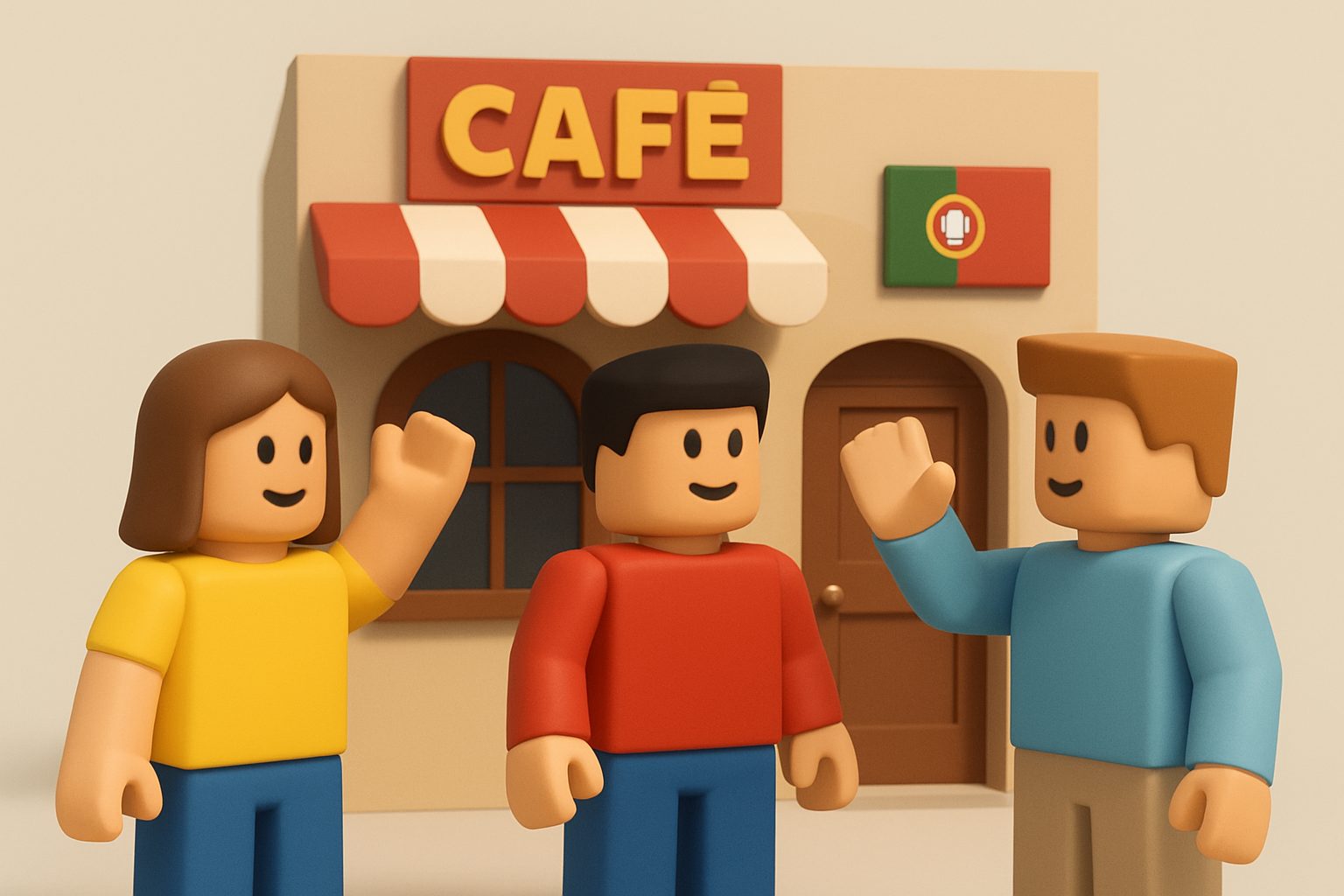
Hello and goodbye — lesson cover

Arrive

Bom dia / Boa tarde / Boa noite cover almost every entrance.

  • Bom dia!
  • Boa tarde, senhora.
  • Boa noite.

Trap: boa noite too early

Boa noite is for evening/night — not a lunch greeting. Use boa tarde in the afternoon.

  • Às 15h → Boa tarde.
  • Às 21h → Boa noite.

Leave well

Pick formal or friendly. “Até amanhã” only if you will really see them tomorrow.

  • Adeus.
  • Até logo.
  • Até amanhã.
  • Xau!

Key words

  • bom dia good morning

    Bom dia, tudo bem?

    Good morning, how are you?

    bom dia — good morning
  • boa tarde good afternoon

    Boa tarde!

    Good afternoon!

    boa tarde — good afternoon
  • boa noite good evening / good night

    Boa noite. Até amanhã.

    Good night. See you tomorrow.

    boa noite — good evening / good night
  • até logo see you later

    Até logo!

    See you later!

    até logo — see you later
  • até amanhã see you tomorrow

    Até amanhã!

    See you tomorrow!

    até amanhã — see you tomorrow
  • adeus goodbye

    Adeus.

    Goodbye.

    adeus — goodbye
  • obrigado / obrigada thank you (m/f speaker)

    Obrigada pela ajuda.

    Thank you for the help.

    obrigado / obrigada — thank you (m/f speaker)
  • desculpe excuse me / sorry (polite)

    Desculpe, tenho de ir.

    Excuse me, I have to go.

    desculpe — excuse me / sorry (polite)
  • cuida-te take care (informal)

    Até logo. Cuida-te.

    See you later. Take care.

    cuida-te — take care (informal)
  • tenho de ir I have to go

    Tenho de ir. Até logo!

    I have to go. See you later!

    tenho de ir — I have to go

Leaving a Portuguese café

Rita: Boa tarde, Tiago. Tudo bem? Tiago: Boa tarde. Tudo bem, e tu? Rita: Tudo bem. O café está bom. Tiago: Sim. Queres outro? Rita: Não, obrigada. Tenho de ir. Tiago: Ok. Até logo! Rita: Até logo, Tiago. Cuida-te. Tiago: Tu também. Adeus.

Listening focus

Tenho de ir.

What is Rita signalling with this line?

Quick check · 21 questions

Mostly choose-the-right-option drills — tap an answer to check yourself.

  • It’s 10:00. How do you greet the receptionist?

  • You’re leaving a friend you’ll see this evening. Best goodbye?

  • Afternoon greeting.

    Boa _____.

  • Order a polite exit.

    Tap chunks in order…
  • Match greeting to time.

    • Bom dia
    • Boa tarde
    • Boa noite
  • You’ll see your classmate tomorrow in class. Best goodbye?

  • It’s 15:00. Best greeting?

  • It’s 22:00. Best greeting?

  • “Até logo” means…

  • Final goodbye among the options:

  • “Tenho de ir” means…

  • Trap: saying “Boa noite” at 10:00 is…

  • “Cuida-te” is a warm…

  • True or false: “Até amanhã” fits if you’ll meet tomorrow.

  • Polite exit often includes thanks:

  • “Desculpe” when leaving a conversation can soften…

  • Brazilian informal “tchau” — treat as distractor; pt-PT lesson target goodbye is…

  • Morning at the clinic desk — open with…

  • You’ll see them the same evening. Prefer…

  • Which pair is arrive → leave?

  • “Boa tarde” is for…

Say it

Leave a café: thank them, say you have to go, say see you later.

Mini writing

Write 2–3 lines: greet in the afternoon, check in, then leave politely.

Scaffold: Boa tarde… Tudo bem? … Até logo!