Citizenship exam mock tests — CIPLE, DELE, DELF, CELI, DTZCIPLE A2 mock test online — Portuguese citizenship and residencyDELE A2 mock test online — Spanish citizenship and nationalityDELF B2 (France) mock test online — French citizenship and residencyCELI 2 (B1) mock test online — Italian citizenship and residencyDTZ B1 (Germany) mock test online — German permanent residence and citizenshipCAPLE — Portuguese language certificationInstituto Cervantes — DELE Spanish examsContact Prep2go — support@prep2go.study
My daily routine

Lesson 6 · A1 · ~24 min

My morning routine

Tell a simple Portuguese morning: wake, get ready, leave — in clear present-tense order.

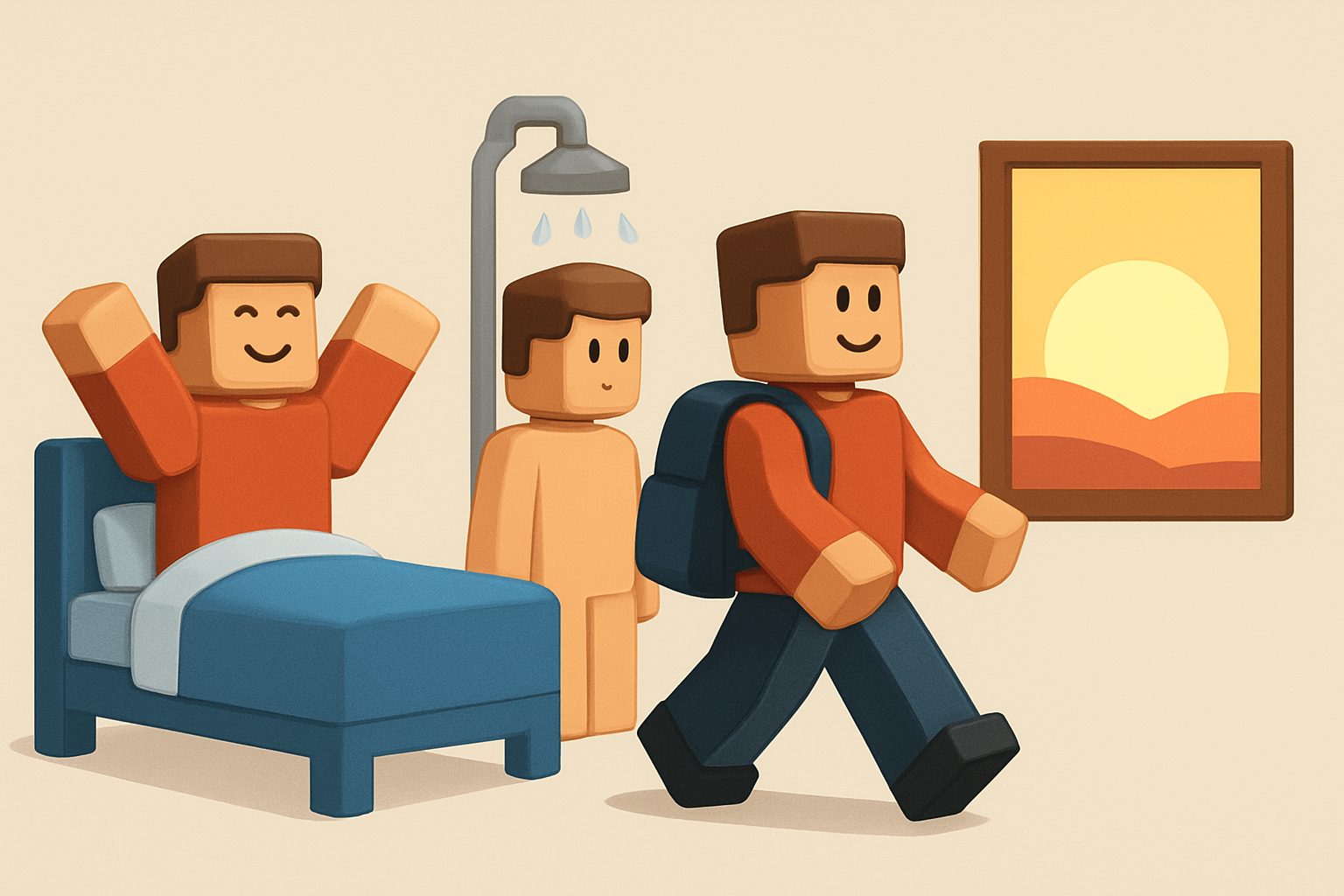
My morning routine — lesson cover

Core morning verbs

Present tense, first person. Reflexives (levantar-se) are common — hear the “me”.

  • Acordo às sete.
  • Levanto-me às sete e um quarto.
  • Tomo um duche.
  • Visto-me e saio de casa.

Three endings: -ar, -er, -ir

Most everyday verbs follow one of three patterns. Drop -ar / -er / -ir, then add the person ending. Learn the pattern once — then drill many verbs. You rarely need vós.

  • falar (-ar) → Eu falo. Tu falas. Ela fala. Nós falamos. Eles falam.
  • comer (-er) → Eu como. Tu comes. Ele come. Nós comemos. Eles comem.
  • abrir (-ir) → Eu abro. Tu abres. Ela abre. Nós abrimos. Eles abrem.
Practice verb drills (eu · tu · ele/ela · nós · eles)

Trap: acordo vs levanto-me

acordar = wake up; levantar-se = get out of bed. They’re not the same moment.

  • Acordo às sete. Levanto-me às sete e dez.

Link the day

depois / então / a seguir keep the story moving without fancy grammar.

  • Depois tomo o pequeno-almoço.
  • A seguir vou para o trabalho.

Key words

  • acordar to wake up

    Acordo cedo.

    I wake up early.

    acordar — to wake up
  • levantar-se to get up

    Levanto-me às sete.

    I get up at seven.

    levantar-se — to get up
  • sair de casa to leave home

    Saio de casa às oito.

    I leave home at eight.

    sair de casa — to leave home
  • vestir-se to get dressed

    Visto-me depressa.

    I get dressed quickly.

    vestir-se — to get dressed
  • tomar banho to have a shower/bath

    Tomo banho de manhã.

    I shower in the morning.

    tomar banho — to have a shower/bath
  • depois afterwards / then

    Depois tomo o pequeno-almoço.

    Afterwards I have breakfast.

    depois — afterwards / then
  • o pequeno-almoço breakfast

    Tomo o pequeno-almoço em casa.

    I have breakfast at home.

    o pequeno-almoço — breakfast
  • o trabalho work

    Vou para o trabalho.

    I go to work.

    o trabalho — work
  • cedo early

    Acordo cedo.

    I wake up early.

    cedo — early
  • o autocarro bus

    Vou de autocarro.

    I go by bus.

    o autocarro — bus

Two mornings in Portugal

Sofia: A que horas te levantas? Nuno: Levanto-me às seis e meia. E tu? Sofia: Eu acordo às sete. Depois tomo um duche. Nuno: Eu tomo o pequeno-almoço em casa. Sofia: Eu também. Depois visto-me e saio às oito. Nuno: Eu saio às sete e um quarto. Sofia: Vais de autocarro? Nuno: Sim. E tu vais a pé até ao metro.

Listening focus

Levanto-me às seis e meia.

What time does Nuno get up?

Quick check · 21 questions

Mostly choose-the-right-option drills — tap an answer to check yourself.

  • Which line means “I get up at seven”?

  • Best next step after “Tomo um duche”?

  • Complete the morning verb.

    _____-me às sete.

  • Order a simple morning.

    Tap chunks in order…
  • Match the verb to the meaning.

    • acordar
    • levantar-se
    • sair de casa
  • Which linker continues the story?

  • “Acordo às sete” means…

  • “Levanto-me” means…

  • Trap: “Acordo o João” is…

  • “Tomo um duche” / “Tomo banho” — morning hygiene. Next often…

  • “Saio de casa” means…

  • Linker “Depois” means…

  • “Vestir-se” means…

  • True or false: “cedo” can mean early.

  • “O pequeno-almoço” in a morning routine is…

  • Verb ending tip: “acordar” is an…

  • Brazilian “Tomo um banho” vs pt-PT “duche” — lesson accepts shower idea; prefer local…

  • “O autocarro” after leaving home often means…

  • Natural morning order:

  • “O trabalho” after the morning routine often means…

  • Reflexive morning verb example:

Say it

Describe your morning in three steps.

Mini writing

Write 2–3 sentences about your morning routine.

Scaffold: Acordo às … Depois … Saio de casa às …