

You've learned 600 words. You can read them, recognise them, look them up. But when the DELE examiner asks you a question, or when you sit down to write that 80-word email, the words don't come together into sentences.
That gap is grammar — not the painful, rule-memorising kind, but the logical kind. Spanish is one of the most structurally consistent languages for English speakers to learn. The patterns are clear, the endings are predictable, and once you understand the logic, everything else accelerates.
Quick Answer
DELE A2 tests 8 grammar areas: present tense (regular + irregular), ser vs estar, pretérito perfecto + indefinido, ir + a + infinitive, articles, prepositions (por vs para), object pronouns, and comparatives. No subjunctive, no complex conditionals. Master these 8 and you cover 90% of grammar questions.
Use this as a reference grammar for DELE A2 — each section maps to what the exam actually marks. Skim once, then return to the tense or structure that breaks in your mocks.
What this guide emphasizes for DELE A2
This full A2 guide (~7,406 words) walks you through Spanish in exam-ready order: sentence skeleton → articles → adjectives → core verbs → tenses → modals → writing. Below are high-payoff patterns DELE returns to again and again — this version gives them extra space:
| Focus area | Why it matters for DELE |
|---|---|
| Stem-changing verbs (“boot”) — e→ie, o→ue, e→i | High-frequency irregularity in the present; Section 7 includes a visual boot diagram (red/orange, same hub style as ponerse / quedarse). |
| vosotros vs ustedes | Peninsular listening/reading uses vosotros forms; Latin America collapses to ustedes — you must recognise both. |
| Reflexive verbs | Spanish leans on -se verbs for daily routine and identity (llamarse, levantarse, ducharse, …) throughout listening and everyday task prompts. |
| hay que | Impersonal “one must / you have to” — distinct from tener que; common in instructions and exam prompts. |
| False friends (Section 16) | A full section on Spanish↔English traps (embarazada, actualmente, librería …) — high stakes for reading and writing marks. |
| Multi-meaning hubs: ponerse / quedarse | Multi-meaning verbs as constellations: ponerse / quedarse with SVG hub maps (Spanish red #ef4444 and orange #f97316) so meanings read as a network. |
A2 Spanish grammar for DELE: sentence logic, core verbs, tenses, and exam-ready patterns.
Table of Contents
- How Spanish Works: The Logic of the Language
- Articles: Masculine, Feminine, and Why It Matters
- Adjectives: Agreement and Position
- The 10 Verbs That Run the Language
- ser vs estar: The Most Important Distinction in Spanish
- Multi-Meaning Verbs: One Word, Many Uses
- The Three Tenses You Actually Need
- Modal Verbs: Want, Can, Must, Need
- Building Any Sentence: Positive, Negative, Question
- Connectors: Gluing Ideas Together
- Pronouns: Who Is Doing What
- Numbers, Time, Dates, and Days
- Directions and Location
- 20 Action Verbs for DELE Topics
- Writing Formulas for the DELE Exam
- False Friends: Spanish Words That Trap English Speakers
- Colours: basic adjectives
1. How Spanish Works: The Logic of the Language
Spanish and English share the same basic sentence structure:
┌──────────────┐   ┌──────────────┐   ┌──────────────┐
│   SUBJECT    │ + │    VERB      │ + │   OBJECT     │
│  Yo / María  │   │  como/compra │   │ pan / leche  │
└──────────────┘   └──────────────┘   └──────────────┘

  Yo     como    pan.         → I eat bread.
  María  compra  leche.       → María buys milk.
  Juan   vive    en Madrid.   → Juan lives in Madrid.
Subject → Verb → Object. Exactly like English. This is your foundation.
Three things work differently:
1.1 Subjects are often dropped
Because Spanish verb endings encode who is acting, the subject pronoun is frequently omitted — especially in speech.
Yo vivo en Madrid.     → I live in Madrid.
Vivo en Madrid.        → (I) live in Madrid.    ← more natural

Ella trabaja aquí.     → She works here.
Trabaja aquí.          → (She) works here.
Both are grammatically correct. The pronoun gets added when you're emphasising, contrasting, or clarifying (Yo no, ella sí — Not me, her yes).
1.2 Adjectives follow nouns — and agree
English: a red car. Spanish: un coche rojo — a car red. The adjective follows the noun and changes its ending to match the noun's gender and number.
un apartamento grande    → a big apartment       (masc. singular)
una casa grande          → a big house           (fem. singular)
dos apartamentos grandes → two big apartments    (masc. plural)
dos casas grandes        → two big houses        (fem. plural)
Adjectives ending in -o change to -a for feminine. Adjectives ending in -e or a consonant typically stay the same for both genders.
un chico simpático   → a friendly boy     (masc.)
una chica simpática  → a friendly girl    (fem.)
un libro interesante → an interesting book (same for masc./fem.)
una clase interesante → an interesting class
💡 Quick rule: -o ending = changes to -a for feminine. -e ending or consonant = stays the same. Plural always adds -s (or -es after a consonant).
1.3 Verbs change for every person
Spanish has a different verb ending for each grammatical person. Where English says I eat / you eat / he eats, Spanish changes the ending throughout:
como / comes / come / comemos / coméis / comen
This seems complex at first, but there's a major advantage: the verb ending tells you who is acting, so you never need to guess the subject.
🔵 Regular verbs: three patterns (-ar, -er, -ir). Learn one and you can conjugate hundreds; A2 irregulars are in Section 4.
2. Articles: Masculine, Feminine, and Why It Matters
Every Spanish noun has a gender — masculine or feminine. The article changes to match.
Definite articles (the)
             MASCULINE    FEMININE
Singular     el           la
Plural       los          las

el libro     → the book
la mesa      → the table
los libros   → the books
las mesas    → the tables
Indefinite articles (a / an)
             MASCULINE    FEMININE
Singular     un           una
Plural       unos         unas

un libro     → a book
una mesa     → a table
unos libros  → some books
unas mesas   → some tables
Knowing noun gender
There are patterns, but exceptions exist. These patterns hold most of the time:
USUALLY MASCULINE          USUALLY FEMININE
─────────────────────      ─────────────────────
Ends in -o                 Ends in -a
el libro (book)            la casa (house)
el vino (wine)             la mesa (table)

Ends in -or                Ends in -ción / -sión
el calor (heat)            la habitación (room)
el color (colour)          la televisión (TV)

Days, months, languages    Ends in -dad / -tad
el lunes, el español       la ciudad (city)
                           la libertad (freedom)
⚠️ Important exceptions: el agua (water) — feminine noun with masculine article because it starts with stressed a. Same for el área, el hambre. la mano (hand) — ends in -o but is feminine. el problema, el sistema, el tema — end in -a but are masculine (Greek origin).
Articles contract with prepositions
When a (to) or de (of/from) appear before the masculine singular article el, they contract:
a + el  = al        Voy al mercado.        → I'm going to the market.
de + el = del       Vengo del trabajo.     → I'm coming from work.

a + la  = a la      Voy a la escuela.      → I'm going to school.  (no contraction)
de + la = de la     Vengo de la oficina.   → I'm coming from the office.
🎯 DELE exam: al and del appear constantly in reading and listening. Llego al aeropuerto (I arrive at the airport), Vengo del banco (I'm coming from the bank). Missing the contraction in writing (a el instead of al) is a grammatical error that costs marks.
3. Adjectives: Agreement and Position

Gender and number agreement
ADJECTIVE        MASC. SING.      FEM. SING.       MEANING
rojo/roja        un coche rojo    una casa roja     red
simpático/a      un chico simp.   una chica simp.   friendly
cansado/a        un hombre cans.  una mujer cans.   tired
Adjectives ending in -e or a consonant don't change for gender:
grande           un piso grande   una ciudad grande    big
inteligente      un alumno intel. una alumna intel.    intelligent
azul             un coche azul    una moto azul        blue
Position: before or after the noun?
Most adjectives go after the noun in Spanish. But some common adjectives go before — and a few change meaning depending on their position.
BEFORE NOUN (always)         AFTER NOUN (always)
────────────────────         ────────────────────
Numbers: dos libros          Colour: un coche rojo
poco, mucho, tanto           Nationality: una chica española
primero, segundo             Shape: una mesa redonda
mismo, otro                  Religion/politics: un partido socialista
buen, gran, mal
(short forms before masc.)
Adjectives that change meaning by position:
BEFORE NOUN                  AFTER NOUN
────────────────────         ────────────────────
un gran hombre               un hombre grande
  a great man                  a big (tall) man

mi viejo amigo               un amigo viejo
  my old (long-time) friend    an old (elderly) friend

el mismo día                 el día mismo
  the same day                 the very day

una nueva casa               una casa nueva
  a new (different) house      a brand-new house
4. The 10 Verbs That Run the Language
VERB      MEANING              WHY IT MATTERS
ser       to be (permanent)    identity, origin, profession
estar     to be (temporary)    location, feelings, states
tener     to have              possession, age, obligation
ir        to go                movement + future tense
hacer     to do / to make      actions, weather, tasks
poder     can / to be able     ability, permission
querer    to want              desire, polite requests
saber     to know (facts)      knowledge, skills
venir     to come              movement toward speaker
ponerse   to put on / become   clothing, states, weather
Present tense forms of all 10:
ser (to be — permanent)
yo          soy       I am
tú          eres      you are (informal)
él/ella     es        he/she/it is
nosotros    somos     we are
vosotros    sois      you are (Spain plural informal)
ellos/ellas son       they are / you are (ustedes)
estar (to be — temporary)
yo          estoy     I am
tú          estás     you are
él/ella     está      he/she is
nosotros    estamos   we are
vosotros    estáis    you are
ellos/ellas están     they are
tener (to have)
yo          tengo     I have
tú          tienes    you have
él/ella     tiene     he/she has
nosotros    tenemos   we have
vosotros    tenéis    you have
ellos/ellas tienen    they have
ir (to go)
yo          voy       I go
tú          vas       you go
él/ella     va        he/she goes
nosotros    vamos     we go
vosotros    vais      you go
ellos/ellas van       they go
hacer (to do / make)
yo          hago      I do/make
tú          haces     you do
él/ella     hace      he/she does
nosotros    hacemos   we do
vosotros    hacéis    you do
ellos/ellas hacen     they do
poder (can)
yo          puedo     I can
tú          puedes    you can
él/ella     puede     he/she can
nosotros    podemos   we can
vosotros    podéis    you can
ellos/ellas pueden    they can
querer (to want)
yo          quiero    I want
tú          quieres   you want
él/ella     quiere    he/she wants
nosotros    queremos  we want
vosotros    queréis   you want
ellos/ellas quieren   they want
saber (to know — facts/skills)
yo          sé        I know
tú          sabes     you know
él/ella     sabe      he/she knows
nosotros    sabemos   we know
vosotros    sabéis    you know
ellos/ellas saben     they know
venir (to come)
yo          vengo     I come
tú          vienes    you come
él/ella     viene     he/she comes
nosotros    venimos   we come
vosotros    venís     you come
ellos/ellas vienen    they come
ponerse (to put on / to become)
yo          me pongo  I put on / become
tú          te pones  you put on
él/ella     se pone   he/she puts on
nosotros    nos ponemos we put on
vosotros    os ponéis  you put on
ellos/ellas se ponen  they put on
ponerse opens into a whole cluster of meanings — see Section 6.
💡 Learning order: Start with ser, estar, tener, and ir. These four verbs cover the vast majority of everyday conversation. Add the others one per week as you build confidence.
5. ser vs estar: The Most Important Distinction in Spanish
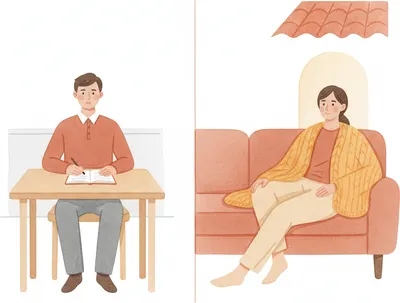
This is the one concept that every English speaker struggles with — and the one that appears most consistently on the DELE exam. Both mean "to be." Spanish uses two separate verbs; English uses one.
The core logic:
SER                              ESTAR
Permanent / defining             Temporary / changeable
─────────────────────────────    ─────────────────────────────
Identity and essence             Current state or condition
Origin and nationality           Current location (people/things)
Profession                       Emotions and feelings right now
Physical traits (inherent)       Result of a change
Scheduled events                 Ongoing actions (estar + -ando)
Material something is made of
When to use ser
Soy inglés.                  → I am English.           (nationality)
Ella es médica.              → She is a doctor.        (profession)
Juan es alto.                → Juan is tall.            (inherent trait)
Somos de Madrid.             → We are from Madrid.     (origin)
La reunión es a las 10.      → The meeting is at 10.   (scheduled event)
La mesa es de madera.        → The table is made of wood. (material)
When to use estar
Estoy cansado.               → I am tired.             (current feeling)
Ella está enferma.           → She is ill.             (temporary state)
Juan está en casa.           → Juan is at home.        (current location)
El café está caliente.       → The coffee is hot.      (current state)
¿Estás bien?                 → Are you OK?             (current condition)
Estoy comiendo.              → I am eating.            (action in progress)
The cases that confuse everyone
⚠️ Adjectives that change meaning with ser/estar ``` ser aburrido → to be a boring person (personality trait) estar aburrido → to be bored (right now) ser listo → to be clever (inherent quality) estar listo → to be ready (current state) ser malo → to be bad / evil (character) estar malo → to be ill (temporary) ser bueno → to be good (character) estar bueno → to be tasty / attractive (colloquial) ser muerto → to be dead estar muerto → to feel dead (exhausted, colloquial) ser seguro → to be safe (inherently safe place) estar seguro → to be sure / certain (current conviction) ```
⚠️ Location: ser for events, estar for people and objects La fiesta es en mi casa. → The party is at my house. (event — ser) Estoy en mi casa. → I'm at my house. (person — estar) Permanent geographical facts use ser: Madrid está en España. → Madrid is in Spain. ← actually both possible here España está en Europa. → Spain is in Europe.
🎯 DELE exam: Ser/estar errors in the writing section are among the most penalised mistakes. Common errors: "Estoy profesor" (wrong) → "Soy profesor" (correct). "Es enfermo hoy" (wrong) → "Está enfermo hoy" (correct). Profession, nationality, origin, and identity always use ser.
6. Multi-Meaning Verbs: One Word, Many Uses
Spanish has a set of verbs that English translates as several completely different words depending on context. Understanding the core logic of each verb unlocks all its uses at once.
ponerse — the verb of change
At its core, ponerse means putting yourself into a state — physically or emotionally.
Me pongo el abrigo.          → I put on my coat.            (clothing)
Se puso triste.              → She became sad.              (emotion)
Se puso a llorar.            → He started crying.           (ponerse a + inf.)
El sol se pone a las 8.      → The sun sets at 8.           (setting)
Se puso rojo de vergüenza.   → He went red with embarrassment. (colour change)
Ponte aquí, por favor.       → Stand/sit here, please.      (positioning)
quedarse — to stay, to remain, to end up
Core logic: remaining in a place or state after something happens.
Me quedo en casa hoy.        → I'm staying home today.
Se quedó sorprendida.        → She was left surprised / became surprised.
¿Dónde queda el banco?       → Where is the bank? (where is it located?)
Me quedo con este, gracias.  → I'll take this one, thanks.
Se quedó sin trabajo.        → He ended up without a job.
¿Quedamos el jueves?         → Shall we meet on Thursday?
💡 *¿Quedamos?* is one of the most useful social phrases in Spanish. It means "shall we meet up?" / "are we on?" It appears in DELE reading and listening tasks involving making plans.
llevar — to take, to carry, to have been (time), to wear
Core logic: moving something from one place to another, or carrying something continuously.
Lleva el paraguas.           → Take the umbrella (with you).
El taxi te lleva al aeropuerto. → The taxi will take you to the airport.
¿Cuánto tiempo lleva?        → How long does it take?
Lleva dos horas.             → It takes two hours. / It's been two hours.
Llevo tres años en España.   → I've been in Spain for three years.
Lleva una camisa azul.       → He's wearing a blue shirt.
🎯 DELE exam: Llevo + [time] + [verb] is a key DELE A2 structure. Llevo dos años viviendo aquí (I've been living here for two years). Llevo media hora esperando (I've been waiting for half an hour). Practice this construction — it comes up in both the oral and writing sections.
dejar — to leave, to let, to stop, to lend
Core logic: releasing control of something — an object, a person, an action, a habit.
Deja las llaves aquí.        → Leave the keys here.
¿Me dejas hablar?            → Will you let me speak? / Can I speak?
Deja de fumar.               → Stop smoking. (dejar de + infinitive)
Me dejó sin palabras.        → It left me speechless.
¿Me dejas tu bolígrafo?      → Can you lend me your pen?
Dejó su trabajo.             → He left / quit his job.
Note: dejar de + infinitive = to stop doing something. This is one of the most useful structures for the DELE speaking section.
pasar — to pass, to spend (time), to happen, to come in
Core logic: movement through something — physical space, time, or a situation.
El autobús ya pasó.          → The bus already passed.
Pasamos las vacaciones en Málaga. → We spent our holidays in Málaga.
¿Cómo pasaste el fin de semana? → How did you spend the weekend?
¿Qué pasa?                   → What's happening? What's going on?
¡Pasa, pasa!                 → Come in, come in!
Pásame la sal, por favor.    → Pass me the salt, please.
El dolor pasará.             → The pain will pass.
andar — to walk, to be going (ongoing state), to go around doing
Core logic: ongoing movement or continuous activity — being in the process of something rather than completing it.
Ando al trabajo todos los días. → I walk to work every day.
¿Cómo andas?                 → How are you (doing)? How's it going?
Anda buscando trabajo.       → He's going around looking for work.
Anda muy liado últimamente.  → He's been very busy lately. (ongoing state)
Anda diciendo mentiras.      → He's going around telling lies.
7. The Three Tenses You Actually Need
For DELE A2, three tenses cover everything: what is happening now, what happened in the past, and what you're going to do.
Tense 1: Presente (Present)
Used for: current actions, habits, facts, and scheduled events.
Regular verbs follow three patterns:
            -AR verbs       -ER verbs       -IR verbs
            hablar          comer           vivir
────────────────────────────────────────────────────
yo          hablo           como            vivo
tú          hablas          comes           vives
él/ella     habla           come            vive
nosotros    hablamos        comemos         vivimos
vosotros    habláis         coméis          vivís
ellos/uds   hablan          comen           viven
Hablo español. → I speak Spanish.
Como a las dos. → I eat at two o'clock.
Vivimos en Valencia. → We live in Valencia.Stem-changing verbs — the most important irregulars for A2:
Some verbs change their stem vowel in all forms except nosotros and vosotros (the "boot" pattern):
CHANGE      VERB        YO      TÚ       ÉL      NOSOTROS
e → ie      querer      quiero  quieres  quiere  queremos
e → ie      preferir    prefiero prefieres prefiere preferimos
o → ue      poder       puedo   puedes   puede   podemos
o → ue      dormir      duermo  duermes  duerme  dormimos
e → i       pedir       pido    pides    pide    pedimos
💡 The "boot" pattern: Draw a boot shape around the conjugation table — the forms inside the boot (yo, tú, él, ellos) change their stem. The forms outside the boot (nosotros, vosotros) keep the original stem. This affects dozens of common Spanish verbs.
Tense 2: Pretérito Indefinido (Simple Past)
Used for: completed actions, events at a specific time, sequences of events.
            -AR verbs       -ER/-IR verbs
            hablar          comer / vivir
────────────────────────────────────────
yo          hablé           comí / viví
tú          hablaste        comiste / viviste
él/ella     habló           comió / vivió
nosotros    hablamos        comimos / vivimos
vosotros    hablasteis      comisteis / vivisteis
ellos       hablaron        comieron / vivieron
Ayer hablé con el médico. → Yesterday I spoke with the doctor.
Comimos en un restaurante. → We ate at a restaurant.
¿Dónde viviste antes? → Where did you live before?Key time markers:
ayer            → yesterday
anteayer        → the day before yesterday
la semana pasada → last week
el mes pasado   → last month
el año pasado   → last year
hace dos días   → two days ago
ya              → already
entonces        → then / at that time
Essential irregular past forms:
ser / ir    → fui, fuiste, fue, fuimos, fuisteis, fueron (same forms!)
tener       → tuve, tuviste, tuvo, tuvimos, tuvisteis, tuvieron
hacer       → hice, hiciste, hizo, hicimos, hicisteis, hicieron
venir       → vine, viniste, vino, vinimos, vinisteis, vinieron
estar       → estuve, estuviste, estuvo, estuvimos, estuvisteis, estuvieron
poder       → pude, pudiste, pudo, pudimos, pudisteis, pudieron
querer      → quise, quisiste, quiso, quisimos, quisisteis, quisieron
decir       → dije, dijiste, dijo, dijimos, dijisteis, dijeron
⚠️ ser and ir have identical past forms. Context tells you which is which: Fui al mercado. → I went to the market. (ir) Fue difícil. → It was difficult. (ser)
Tense 3: Futuro con ir (Immediate Future)
Used for: plans, intentions, what is going to happen.
Formula: ir (present) + a + infinitive
Voy a hablar con ella.       → I'm going to talk to her.
Va a llover mañana.          → It's going to rain tomorrow.
Vamos a comer fuera.         → We're going to eat out.
¿Qué vas a hacer este fin de semana? → What are you going to do this weekend?
Identical to English "going to" — present tense of ir + a + infinitive.
🎯 DELE oral section: When asked about plans (¿Qué vas a hacer...?), this is your tense. Practice: "El próximo fin de semana voy a...", "En vacaciones voy a...", "El año que viene voy a..."
Time markers for future:
mañana          → tomorrow
pasado mañana   → the day after tomorrow
la próxima semana → next week
el próximo mes  → next month
pronto          → soon
más tarde       → later
esta tarde      → this afternoon
este fin de semana → this weekend
8. Modal Verbs: Want, Can, Must, Need
MODAL VERB    MEANING              EXAMPLE
poder         can / be able to     ¿Puedo ayudarte?   Can I help you?
querer        to want              Quiero un café.    I want a coffee.
deber         should / must        Debes descansar.   You should rest.
necesitar     to need              Necesito ayuda.    I need help.
tener que     to have to           Tengo que trabajar. I have to work.
saber         to know how to       Sé conducir.       I know how to drive.
hay que       one must (impersonal) Hay que esperar.  One must wait. / You have to wait.
¿Puedo entrar? → Can I come in?
No puedo hablar ahora. → I can't talk right now.
Quiero hablar con el médico. → I want to speak with the doctor.
No quiero esperar. → I don't want to wait.
Debe ser aquí. → It must be here.
Necesito un comprobante. → I need a proof document.
Tengo que ir al ayuntamiento.→ I have to go to the town hall.
Hay que rellenar el formulario. → You need to fill in the form.poder vs saber — two ways of "can"
⚠️ poder = physically able / permitted saber = know how to (a skill) Puedo nadar → I'm able to swim (right now, allowed to) Sé nadar → I know how to swim (I have the skill) ¿Puedes ayudarme? → Can you help me? (are you available/able?) ¿Sabes cocinar? → Can you cook? (do you have the skill?)
tener que vs hay que
⚠️ tener que is personal — a specific person has to do something. hay que is impersonal — it applies to everyone / no specific person. Tengo que ir al médico. → I have to go to the doctor. (me specifically) Hay que esperar aquí. → You have to wait here. / One must wait here. (general rule)
9. Building Any Sentence: Positive, Negative, Question
Positive
Vivo en Barcelona.           → I live in Barcelona.
Ella trabaja en el hospital. → She works at the hospital.
Negative — add no before the verb
No vivo en Barcelona.        → I don't live in Barcelona.
Ella no trabaja aquí.        → She doesn't work here.
No sé.                       → I don't know.
No tengo coche.              → I don't have a car.
Spanish double negatives — correct and standard
Unlike English, Spanish uses double negatives — and they're grammatically correct, not errors:
No vi nada.                  → I didn't see anything. (Not saw nothing.)
No fui nunca.                → I never went. (Not went never.)
No hay nadie.                → There's nobody. (Not there nobody.)
No tengo ningún problema.    → I have no problem. (Not have no problem.)
Questions — intonation or question words
You can form many questions with intonation alone, but written questions always use inverted opening marks (¿):
¿Vives en Barcelona?         → Do you live in Barcelona?
¿Trabaja aquí?               → Does she work here?
¿Tienes mesa para dos?       → Do you have a table for two?
Question words:
¿qué?      → what?      ¿Qué quieres?      What do you want?
¿quién?    → who?       ¿Quién es?         Who is it?
¿dónde?    → where?     ¿Dónde está?       Where is it?
¿cuándo?   → when?      ¿Cuándo llega?     When does it arrive?
¿cómo?     → how?       ¿Cómo te llamas?   What's your name?
¿por qué?  → why?       ¿Por qué llegas tarde? Why are you late?
¿cuál?     → which?     ¿Cuál prefieres?   Which do you prefer?
¿cuánto?   → how much?  ¿Cuánto cuesta?    How much does it cost?
¿cuántos?  → how many?  ¿Cuántos quedan?   How many are left?
🎯 DELE oral section: The interaction part of the speaking exam requires asking and answering questions. The nine question words above are your tools. Practice chaining them with verbs: ¿Dónde está... / ¿Cuánto cuesta... / ¿A qué hora abre...
10. Connectors: Gluing Ideas Together

A2 writing is not six separate sentences. It's sentences that flow into each other. The DELE writing section rewards coherence — and coherence requires connectors.
CONNECTOR      MEANING              EXAMPLE
y              and                  Vivo en Madrid y trabajo en Alcalá.
pero           but                  Me gusta, pero es caro.
porque         because              Faltó porque estaba enfermo.
cuando         when                 Cuando llego, como.
si             if                   Si puedes, ven mañana.
que            that                 Creo que está cerrado.
también        also / too           Yo también quiero.
entonces       so / then            Estaba cansado, entonces dormí.
después        after / then         Comí y después salí.
antes de       before               Llama antes de venir.
por eso        therefore / so       Está cerrado, por eso volví.
aunque         although             Aunque es caro, es bueno.
como           since / as           Como estás aquí, quédate a cenar.
ya que         since / given that   Ya que tienes tiempo, ayúdame.
sin embargo    however              Me gusta; sin embargo, es muy caro.
además         furthermore / also   Además, es muy lejos.
Building longer sentences — step by step
SIMPLE:
Estaba enfermo. No fui al trabajo.
I was ill. I didn't go to work.

CONNECTED:
Estaba enfermo, por eso no fui al trabajo.
I was ill, so I didn't go to work.

NATURAL A2:
Como estaba enfermo, no fui al trabajo — además, el médico me dijo
que necesitaba descansar al menos dos días.
Since I was ill, I didn't go to work — furthermore, the doctor told
me I needed to rest for at least two days.
🎯 DELE writing section: The difference between passing and a good score is often connectors. Short, disconnected sentences signal weak cohesion. Aim for at least 3 different connectors in your 80-word response. Use porque, además, and sin embargo — they're versatile and show range.
11. Pronouns: Who Is Doing What
Subject pronouns
PRONOUN        MEANING          NOTE
yo             I
tú             you (informal)   friends, family, same age
él/ella        he/she
nosotros/as    we
vosotros/as    you (pl, informal) Spain only — Latin America uses ustedes
ellos/ellas    they
usted (Ud.)    you (formal)     one person, respectful
ustedes (Uds.) you (plural)     all plural "you" in Latin America
⚠️ vosotros vs ustedes In Spain, vosotros is the informal plural "you" used with friends, children, and familiar groups. Ustedes is the formal plural — but it's also the only plural "you" in Latin American Spanish. For the DELE exam (administered in Spain and worldwide), you may use either, but knowing vosotros verb forms helps you understand Spanish from Spain. Both are fully acceptable in the exam.
Reflexive pronouns — for reflexive verbs
Many Spanish verbs require a reflexive pronoun (me/te/se/nos/os/se). These express that the subject is doing the action to themselves:
me      myself         Me llamo Ana.      My name is Ana. (I call myself Ana)
te      yourself       ¿Cómo te llamas?   What's your name?
se      himself/herself Se llama Juan.     His name is Juan.
nos     ourselves      Nos levantamos.    We get up.
os      yourselves     ¿Os divertís?      Are you having fun? (Spain)
se      themselves     Se acuestan tarde. They go to bed late.
In Peninsular Spanish, reflexive patterns show up constantly in everyday conversation — introductions, morning routines, hygiene, sleep, and how you feel (sentirse, encontrarse). For DELE, expect listening scripts with me levanto, nos duchamos, se llama… in hotel, family, and timetable contexts. Treat reflexives as default collocation, not an occasional flourish.
Common reflexive verbs for DELE A2:
llamarse      to be called        ¿Cómo te llamas?
levantarse    to get up           Me levanto a las 7.
acostarse     to go to bed        Me acuesto tarde.
despertarse   to wake up          Me despierto temprano.
ducharse      to shower           Me ducho por la mañana.
vestirse      to get dressed      Me visto rápido.
sentarse      to sit down         Siéntate aquí.
encontrarse   to feel / meet up   ¿Cómo te encuentras?
lavarse       to wash (oneself)   Me lavo las manos.
afeitarse     to shave            Mi padre se afeita cada día.
peinarse      to comb hair        La niña se peina sola.
Mini routine chain (oral-style): Me levanto a las siete, me ducho, me visto, desayuno y salgo. — all high-frequency DELE vocabulary.
12. Numbers, Time, Dates, and Days
Numbers 1–20
1  uno/una    2  dos        3  tres       4  cuatro
5  cinco      6  seis       7  siete      8  ocho
9  nueve      10 diez       11 once       12 doce
13 trece      14 catorce    15 quince     16 dieciséis
17 diecisiete 18 dieciocho  19 diecinueve 20 veinte
Numbers 21–1000
21  veintiuno      30  treinta
40  cuarenta       50  cincuenta
60  sesenta        70  setenta
80  ochenta        90  noventa
100 cien/ciento    1000 mil
Pattern: 21 = veintiuno, 35 = treinta y cinco, 48 = cuarenta y ocho.
⚠️ 100 vs 101+: cien = exactly 100. Ciento = 101 and above: ciento uno, ciento cincuenta. Also: un becomes una before feminine nouns (veintiuna mesas) and drops the -o before masculine nouns in compounds (veintiún euros).
Telling time
¿Qué hora es?                → What time is it?
Es la una.                   → It's one o'clock.   (singular)
Son las dos.                 → It's two o'clock.   (plural — son las...)
Son las tres y media.        → It's half past three.
Son las cuatro y cuarto.     → It's quarter past four.
Son las cinco menos cuarto.  → It's quarter to five.
Son las ocho y veinte.       → It's twenty past eight.
Es mediodía.                 → It's midday.
Es medianoche.               → It's midnight.
For appointments:
¿A qué hora?                 → At what time?
A las diez.                  → At ten o'clock.
A las 14:30.                 → At 14:30.
Por la mañana / tarde / noche → In the morning / afternoon / at night
Days of the week
lunes      → Monday
martes     → Tuesday
miércoles  → Wednesday
jueves     → Thursday
viernes    → Friday
sábado     → Saturday
domingo    → Sunday
💡 Days are not capitalised in Spanish. Also: use el with specific days (el lunes = on Monday, this Monday) and los for recurring days (los lunes = on Mondays, every Monday).
Months and seasons
enero      febrero    marzo      abril
mayo       junio      julio      agosto
septiembre octubre    noviembre  diciembre
la primavera → spring En primavera hace buen tiempo.
el verano → summer En verano hace mucho calor.
el otoño → autumn En otoño llueve bastante.
el invierno → winter En invierno hace frío.Dates
¿Qué fecha es hoy?           → What's today's date?
Hoy es el 15 de marzo.       → Today is the 15th of March.
Mi cumpleaños es el 3 de julio. → My birthday is on the 3rd of July.
🎯 DELE exam: Times and dates appear in almost every listening task — transport timetables, opening hours, appointment cards, event announcements. Also in the reading section (notices, ads, schedules). Practice reading and hearing Spanish numbers automatically.
13. Directions and Location
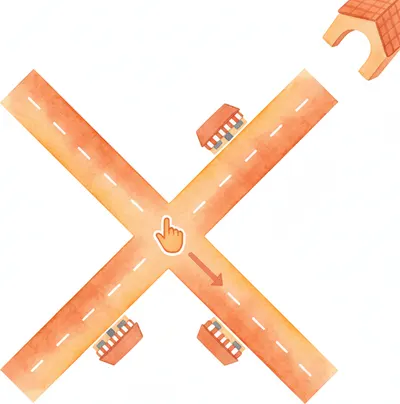
The DELE oral section includes role-play scenarios where you ask for or give directions.
Asking for directions
Perdona, ¿dónde está...?     → Excuse me, where is...?
¿Cómo se va a...?            → How do you get to...?
¿Está lejos de aquí?         → Is it far from here?
¿Cuánto tiempo se tarda a pie? → How long does it take on foot?
¿Hay una farmacia cerca?     → Is there a chemist nearby?
Giving directions
a la derecha     → to the right     Gira a la derecha.
a la izquierda   → to the left      Gira a la izquierda.
todo recto       → straight ahead   Sigue todo recto.
hacia atrás      → back / behind    Vuelve hacia atrás.
en la esquina    → on the corner    Está en la esquina.
en el cruzamiento → at the crossroads
en el semáforo   → at the traffic lights
la primera calle → the first street
la segunda calle → the second street
Prepositions of place
en / en el / en la  → in / at      Estoy en el banco.
cerca de            → near         Cerca de la estación.
lejos de            → far from     Lejos del centro.
al lado de          → next to      Al lado de correos.
enfrente de         → in front of  Enfrente del ayuntamiento.
detrás de           → behind       Detrás del supermercado.
entre               → between      Entre el café y el banco.
encima de           → on top of    Encima de la mesa.
debajo de           → under        Debajo de la cama.
14. 20 Action Verbs for DELE Topics
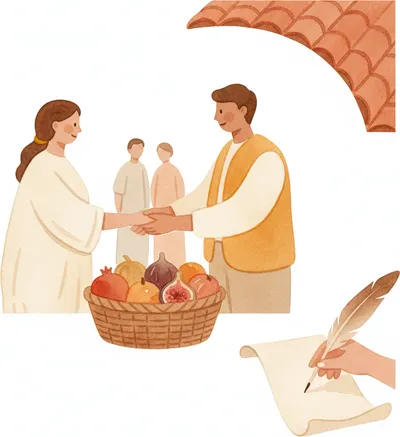
The DELE A2 tests everyday situations: shopping, health, travel, services, social life. These 20 verbs appear across all four exam sections.
VERB          MEANING            EXAMPLE
comprar       to buy             Quiero comprar un billete.
pagar         to pay             Pago con tarjeta.
vender        to sell            ¿Venden pan aquí?
pedir         to ask for/order   ¿Puedo pedir la cuenta?
reservar      to book            Quiero reservar una habitación.
esperar       to wait/hope       Espere un momento, por favor.
llegar        to arrive          Llego a las 10.
salir         to leave/go out    Salgo a las 18:00.
abrir         to open            ¿A qué hora abre?
cerrar        to close           Cierra a las 20:00.
necesitar     to need            Necesito ayuda.
traer         to bring           ¿Puede traer la cuenta?
mandar        to send            Mandé un correo electrónico.
llamar        to call/name       Te llamo mañana.
rellenar      to fill in         Necesita rellenar el formulario.
firmar        to sign            Por favor, firme aquí.
entregar      to hand in/deliver Entrego los documentos mañana.
recibir       to receive         Recibí la carta.
renovar       to renew           Tengo que renovar mi carné.
perder        to lose/miss       Perdí el autobús. / No pierdas tiempo.
🎯 DELE exam: Rellenar, firmar, and entregar are bureaucratic vocabulary that appears in the writing section (formal letters, completing forms) and in listening (official instructions). Perder appears in transport and schedule contexts: perdí el tren, no quiero perder la cita.
15. Writing Formulas for the DELE Exam
The DELE A2 writing section has two tasks: a short personal message (~60 words) and a slightly longer text (~80 words). Both follow predictable formats.
Short message — ~60 words
Typically a note, text message, or informal email to a friend or family member.
Template: [Greeting] + [reason for writing] + [main information] + [request or closing]
Hola [name]:
[Main point in 1-2 sentences.]
[Supporting detail or request.]
[Simple closing.]
[Your name]

─────────────────────────────────────────────
Hola Ana:
No puedo ir a la cena esta noche porque estoy enferma.
Lo siento mucho. ¿Podemos quedar otro día?
Un abrazo,
Sofía
─────────────────────────────────────────────
(~45 words — practice extending to 60)
Longer text — ~80 words
Typically a semi-formal email, a reply to an advertisement, or a message to a service provider.
Template: [Opening] + [reason for writing] + [main point] + [detail] + [request] + [closing]
Estimado/a Sr./Sra. [Surname]:   (formal)
Querido/a [Name]:                (semi-formal)
Hola [Name]:                     (informal)

─────────────────────────────────────────────
Estimado Sr. García:
Me dirijo a usted para informarle de que no podré asistir a la
reunión de mañana porque tengo una cita médica a la misma hora.
Le pido disculpas por las molestias. ¿Podría cambiarla al
jueves por la mañana? Estoy disponible a partir de las diez.
Quedo a su disposición.
Atentamente,
David López
─────────────────────────────────────────────
(~75 words — within range)
Essential opening and closing phrases
Un abrazo           → (lit. a hug) — warm informal close
Un saludo           → a greeting — neutral informal
Saludos             → regards — neutral
Atentamente         → sincerely — formal
Un cordial saludo   → kind regards — semi-formal
Quedo a su disposición → I remain at your disposal — formal
Espero su respuesta → I look forward to your reply
Gracias de antemano → Thank you in advance
Disculpe las molestias → Sorry for the inconvenience
⚠️ Word count matters. The DELE A2 writing tasks specify minimum word counts. Writing significantly fewer words is penalised as an incomplete response — regardless of quality. After writing, count. Aim to land in the middle of the specified range, not the minimum.
16. False Friends: Spanish Words That Trap English Speakers
Spanish and English share thousands of cognates — words that look the same and mean the same thing (hotel, hospital, natural, animal). But some words look like English words and mean something completely different.
These are false friends — and the DELE exam includes vocabulary where false friends can cause reading and writing errors.
SPANISH WORD    LOOKS LIKE       ACTUAL MEANING
embarazada      embarrassed      pregnant
sensible        sensible         sensitive
actual          actual           current / present-day
actualmente     actually         currently / nowadays
éxito           exit             success
librería        library          bookshop
biblioteca      —                library (the building)
realizar        to realise       to carry out / to achieve
recordar        to record        to remember
molestar        to molest        to bother / to annoy
largo           large            long
gracioso        gracious         funny / amusing
mayor           mayor            older / biggest / main
menor           —                smaller / younger / minor
carpeta         carpet           folder / file
ganga           gang             bargain / deal
once            once             eleven
⚠️ The most dangerous for the exam: embarazada — never use this to mean embarrassed. Estoy embarazada = I am pregnant. actualmente — does not mean "actually." It means "currently, at the moment." librería vs biblioteca — one is a bookshop, one is a library. DELE reading and writing often test service and study vocabulary where this distinction matters. éxito — does not mean exit. ¡Mucho éxito! = Good luck! / Best of success! The exit is la salida.
💡 The flip side: English and Spanish share thousands of real cognates that make vocabulary acquisition fast for English speakers. Words ending in -ción (nación, educación, información) are almost always feminine nouns meaning what they look like. Words ending in -mente are adverbs (rápidamente = rapidly). Learning to recognise these patterns accelerates vocabulary at A2 level.
17. Colours: basic adjectives
Colour adjectives show up in every DELE paper — descriptions, clothes, places, multiple-choice vocabulary. They must agree with the noun: una camisa azul, coches blancos.
rojo / roja
red
azul
blue
verde
green
amarillo / amarilla
yellow
naranja
orange
morado / morada
purple
rosa
pink
marrón / marrones
brown
negro / negra
black
blanco / blanca
white
gris
grey
turquesa
turquoise
Putting It All Together
You now have the complete structural foundation for A2 Spanish:
- The SVO word order that carries every sentence - The articles and agreement rules connecting nouns and adjectives - The 10 core verbs, including the multi-meaning verbs that compress the language (ponerse / quedarse hub maps — Spanish red/orange styling) - Stem-changing “boot” verbs in the present (e→ie, o→ue, e→i) plus the visual boot diagram - Reflexive-heavy daily Spanish (llamarse, levantarse, ducharse, …) - *vosotros* vs *ustedes and hay que vs tener que — patterns that matter on DELE papers from Spain and abroad - The three tenses covering past, present, and future - Modal verbs for expressing need, ability, and want - Connectors for building coherent, flowing texts - The vocabulary of time, numbers, directions, and daily actions - Writing templates for both DELE exam tasks - Section 16 — false friends (Spanish↔English), a high-impact trap list for reading and writing
The DELE A2 tests whether you can communicate in everyday Spanish situations — buying something, making an appointment, describing your daily life, asking for directions, writing a short message. Everything prepares you for exactly those situations.
Your 600 words are the content. This structure is the system that turns them into language.
🎯 Practice this, don't just read it. Take a verb from Section 4 and write five sentences using it in different contexts. Take a tense from Section 7 and conjugate it with five new verbs. Write one 60-word message per day using the template in Section 15. Grammar becomes automatic through use, not through reading about it once.
Last updated: March 2026. All examples use standard Peninsular Spanish as required for the DELE A2 exam administered by Instituto Cervantes.
DELE A2 Grammar Priority Matrix: What to Study First
Not all grammar topics carry equal weight in the DELE A2 exam. This priority matrix shows which topics appear most frequently across Reading, Writing, Listening, and Speaking sections — so you allocate study time where it matters most.
| Grammar Topic | Reading | Writing | Listening | Speaking | Priority |
|---|---|---|---|---|---|
| Present tense (regular) | Every task | Every task | Every task | Every task | Critical |
| Present tense (irregular: ser, estar, ir, tener, hacer) | Every task | Every task | Every task | Every task | Critical |
| Ser vs estar | 3–4 questions | Required in descriptions | Contextual | Monologue + conversation | Critical |
| Pretérito perfecto (he comido) | 1–2 questions | Narrative tasks | Task 3–4 | Task 3 (conversation) | High |
| Pretérito indefinido (comí) | 1–2 questions | Task 2 (narrative) | Task 3–4 | Task 3 | High |
| Ir + a + infinitive (future) | 1 question | Sometimes in emails | Task 2 | Monologue | Medium |
| Articles (el/la/los/las, un/una) | Tested indirectly | Penalized if wrong | Not tested directly | Penalized if wrong | Medium |
| Prepositions (por/para, en/a) | 1–2 questions | Required in all tasks | Contextual | Penalized if wrong | Medium |
| Object pronouns (me, te, lo, la) | 1–2 questions | Needed for coherence | Contextual | Needed for fluency | Medium |
| Comparatives (más/menos que) | 1 question | Descriptions | Rare | Photo description | Low |
The 10 Grammar Mistakes That Lose the Most Points
Based on common error patterns in DELE A2 exams, these are the ten mistakes that examiners penalize most heavily. Each costs points in both Writing and Speaking sections.
1. Ser/estar confusion with adjectives: 'Estoy alto' (wrong — height is permanent → 'Soy alto'). 'Soy cansado' (wrong — tiredness is temporary → 'Estoy cansado'). Rule: use ser for permanent characteristics, estar for states and conditions.
2. Gender agreement: 'La problema' (wrong → 'El problema'). 'El agua frío' (wrong → 'El agua fría'). Common trap: words ending in -a that are masculine (el día, el mapa, el problema) and words ending in -o that are feminine (la mano, la foto).
3. Missing verb conjugation: 'Yo comer' instead of 'Yo como'. At A2, every verb must be conjugated. Infinitives only appear after another conjugated verb (Quiero comer) or after prepositions (para comer).
4. Por vs para confusion: 'Estudio para tres horas' (wrong → 'Estudio por tres horas' for duration). 'Esto es por ti' (wrong → 'Esto es para ti' for recipient). Key distinction: por = cause/duration/exchange. Para = purpose/destination/recipient.
5. Wrong past tense: Using indefinido for recent past ('Ayer he comido' → 'Ayer comí'). Using perfecto for distant past ('En 2020 he viajado' → 'En 2020 viajé'). Perfecto = recent/relevant. Indefinido = completed/distant.
Official Source
Frequently Asked Questions
Do I need to know the subjunctive for DELE A2?
No. DELE A2 does not test the subjunctive mood. Focus on present, past (pretérito perfecto/indefinido), future with ir + a, and basic imperative.
What is the hardest grammar topic in DELE A2?
Ser vs estar — it appears in every section. The rules are clear for most cases (permanent vs temporary), but some expressions must be memorized.
How much grammar do I need for DELE A2 writing?
Know present tense (regular + irregular), pretérito perfecto, basic future, ser vs estar, and prepositions (por vs para). That covers 90% of writing tasks.