

Quick Answer
CELI 2 B1 grammar requires: presente, passato prossimo, imperfetto, futuro semplice, condizionale presente; congiuntivo presente (after volere che, sperare che, è necessario che, sebbene); essere vs. stare; sapere vs. conoscere; pronomi diretti, indiretti, and combinati (me lo, te la…); ci and ne; preposizioni articolate (del, alla, nel…); stare + gerundio for ongoing actions; and partitive articles. You do not need congiuntivo passato or trapassato prossimo for CELI 2.
At A2, you got through conversations with a limited present tense and a handful of past forms. At B1, the CELI 2 examiner expects you to move between tenses with precision, express wishes and doubts with the congiuntivo, and write structured texts that hold together as arguments — not just lists of sentences.
Every structure the exam actually tests, mapped section by section. Read it once for the overview. Return to individual sections when something is not clicking. Every section connects directly to the CELI 2 rubric.
Table of Contents
- How B1 Grammar Differs From A2 — What CELI 2 Tests
- Sentence Structure: Flexibility and Topic Fronting
- The Article System: Determinativi, Indeterminativi, Partitivi
- Adjective Agreement and Position
- The 12 Core Verbs That Run the Language
- Essere vs. Stare — The Italian Distinction
- Sapere vs. Conoscere — Two Kinds of Knowing
- Multi-Meaning Verbs: fare, dare, mettere, prendere, tenere
- All Five Tenses You Must Control
- Passato Prossimo vs. Imperfetto — B1's Most Tested Distinction
- Congiuntivo Presente — CELI 2's Key Structure
- Condizionale Presente — Politeness, Hypotheticals, Wishes
- Hypothetical Structures with se (Tipo 1 + Tipo 2)
- Connectors for B1 Writing: Beyond perché and ma
- Pronouns: Diretti, Indiretti, Combinati, ci, ne
- Register: Formale vs. Informale in CELI 2
- Writing Templates for CELI 2 Production
- Common B1 Errors and How to Fix Them

1. How B1 Grammar Differs From A2 — What CELI 2 Tests
At A2, errors were tolerated if the message got through. At B1, the CELI 2 rubric rewards grammatical control under time pressure — not just communication.
The CELI 2 production sections (writing and speaking) award points specifically for tense precision, subordination, pronoun control, register awareness, and connector variety.
- Tense precision — choosing correctly between passato prossimo and imperfetto in the same paragraph
- Subordination — sentences connected with che + congiuntivo, sebbene, affinché, prima che
- Pronoun control — using combined pronouns (me lo dà, te la mando) rather than repeating full noun phrases
- Register awareness — a lettera formale and an email to a friend require different grammar choices
- Connector variety — not just ma and perché, but tuttavia, poiché, nonostante, di conseguenza
B1 MUST-HAVE STRUCTURES FOR CELI 2
Passato prossimo vs. imperfetto  -> precise past narration
Futuro semplice                  -> plans, predictions, probability
Condizionale presente            -> politeness, wishes, hypotheticals
Congiuntivo presente             -> after volere che, sperare che...
Essere vs. stare                 -> core identity/state distinction
Sapere vs. conoscere             -> skill/fact vs familiarity
Pronomi combinati                -> me lo, te la, glielo...
ci / ne                          -> location/topic and quantity replacement
Preposizioni articolate          -> del, della, nel, alla, sul...
Stare + gerundio                 -> ongoing actions
Partitive articles               -> del pane, delle mele
Connector set -> tuttavia, poiché, però, quindi2. Sentence Structure: Flexibility and Topic Fronting
Italian is SVO like English, but permits more movement for emphasis. When fronting an object, clitic doubling is usually required.
STANDARD ORDER
Marco mangia la pizza.          -> Marco eats pizza.

TOPIC FRONTING
La pizza, Marco la mangia.      -> Pizza, Marco eats it.

SUBJECT DROP
Mangio la pizza.                -> I eat pizza.
Sei stanco?                     -> Are you tired?
Vengono domani.                 -> They are coming tomorrow.
Subject pronouns are optional because verb endings carry person/number. Keep io, tu, lui/lei mainly for contrast.
Io lavoro a Roma, lui a Milano.
Non l'ho fatto io — l'ha fatto lei.3. The Article System: Determinativi, Indeterminativi, Partitivi

Italian uses definite, indefinite, and partitive articles. At B1, partitives are essential in listening and writing.
Articoli determinativi
MASCHILE: il / lo / l'   -> plurale: i / gli
FEMMINILE: la / l'      -> plurale: le
il libro, lo zaino, l'amico, la chiave, l'amica
Articoli indeterminativi
MASCHILE: un / uno
FEMMINILE: una / un'
un libro, uno zaino, una chiave, un'amica
Articolo partitivo
di + il  = del    (del pane)
di + lo = dello  (dello zucchero)
di + la = della  (della pasta)
di + l' = dell'  (dell'acqua)
di + i  = dei    (dei libri)
di + gli= degli  (degli amici)
di + le = delle (delle mele)Preposizioni articolate
di -> del/dello/della/dell'/dei/degli/delle
a  -> al/allo/alla/all'/ai/agli/alle
da -> dal/dallo/dalla/dall'/dai/dagli/dalle
in -> nel/nello/nella/nell'/nei/negli/nelle
su -> sul/sullo/sulla/sull'/sui/sugli/sulle
4. Adjective Agreement and Position
Adjectives agree with noun gender/number. Position can shift meaning or tone.
PATTERN 1 (-o/-a/-i/-e):
bello, bella, belli, belle
stanco, stanca, stanchi, stanche

PATTERN 2 (-e/-i):
grande, grandi
interessante, interessanti
After noun (default): una macchina rossa, un problema grave
Before noun (subjective/fixed): un bel ragazzo, una grande opportunità
Meaning shift: un uomo grande vs un grand'uomo5. The 12 Core Verbs That Run the Language
These verbs carry most daily communication at B1: essere, stare, avere, fare, andare, venire, potere, volere, dovere, sapere, dare, dire.
| Verb | Present forms |
|---|---|
| essere | sono / sei / è / siamo / siete / sono |
| stare | sto / stai / sta / stiamo / state / stanno |
| avere | ho / hai / ha / abbiamo / avete / hanno |
| fare | faccio / fai / fa / facciamo / fate / fanno |
| andare | vado / vai / va / andiamo / andate / vanno |
| venire | vengo / vieni / viene / veniamo / venite / vengono |
| potere | posso / puoi / può / possiamo / potete / possono |
| volere | voglio / vuoi / vuole / vogliamo / volete / vogliono |
| dovere | devo / devi / deve / dobbiamo / dovete / devono |
| sapere | so / sai / sa / sappiamo / sapete / sanno |
| dare | do / dai / dà / diamo / date / danno |
| dire | dico / dici / dice / diciamo / dite / dicono |
6. Essere vs. Stare — The Italian Distinction

Essere covers identity/origin/profession and auxiliary use. Stare covers temporary states and progressive forms.
ESSERE
Sono italiano. È medico. Siamo di Roma.
Il film è alle 20:00.

STARE
Come stai? Sto bene.
Sta dormendo.
Dove stai?
Essere as auxiliary
sono andato/a, sono venuto/a, sono partito/a, sono arrivato/a
mi sono alzato/a, si è lavata
Agreement required: Lucia è andata; Marco e Paolo sono andati.7. Sapere vs. Conoscere — Two Kinds of Knowing

SAPERE -> facts/info/skills
Sai dov'è la stazione?
Non so il suo numero.
Sa cucinare benissimo.

CONOSCERE -> people/places/familiarity
Conosci Marco?
Conosco bene Firenze.
Conosci la musica jazz?8. Multi-Meaning Verbs: fare, dare, mettere, prendere, tenere
fare
fare una domanda, fare una passeggiata, fare colazione
fa caldo/freddo, fare finta di, non fa niente
prendere
prendere il treno, prendere un caffè, prendere una decisione, prendere in giromettere
mettere sul tavolo, ci metto 20 minuti, mettersi a fare, mettersi d'accordotenere
tenere la porta aperta, tenere a qualcuno/qualcosa, ci tengo molto, tenere conto di9. All Five Tenses You Must Control
Presente
-ARE: parlo/parli/parla/parliamo/parlate/parlano
-ERE: credo/credi/crede/crediamo/credete/credono
-IRE: dormo/dormi/dorme/dormiamo/dormite/dormono
-ISC- group: capisco/capisci/capisce/capiamo/capite/capiscono
Passato Prossimo
auxiliary (avere/essere) + participle
-are -> -ato, -ere -> -uto, -ire -> -ito
irregulars: fatto, detto, scritto, letto, aperto, chiuso, messo, preso, visto
Imperfetto
-vo, -vi, -va, -vamo, -vate, -vano
parlavo, credevo, dormivo
essere: ero/eri/era/eravamo/eravate/erano
Futuro Semplice
-ò, -ai, -à, -emo, -ete, -anno
irregular stems: sar-, avr-, far-, andr-, verr-, dovr-, potr-, vorr-, sapr-
Condizionale Presente
same stems as future + -ei, -esti, -ebbe, -emmo, -este, -ebbero
sarei, avrei, farei, andrei, verrei, dovrei, potrei, vorrei
10. Passato Prossimo vs. Imperfetto — B1's Most Tested Distinction
| Passato Prossimo | Imperfetto |
|---|---|
| Completed event | Background/ongoing state |
| Bounded action | Habit/repetition |
| Specific moment | Open duration |
| Story foreground | Story background |
Ieri ho incontrato Marco.
Da bambino, incontravo spesso Marco.
Mentre dormivo, è squillato il telefono.11. Congiuntivo Presente — CELI 2's Key Structure
Congiuntivo is expected at B1 in writing and speaking, especially after triggers and in concessive/purpose clauses.
Formation:
-ARE -> -i, -i, -i, -iamo, -iate, -ino  (parli...)
-ERE/-IRE -> -a, -a, -a, -iamo, -iate, -ano (creda, parta)
finire -> finisca, finisca, finisca, finiamo, finiate, finiscano
Key irregulars:
sia/abbia/faccia/vada/venga/possa/debba/voglia/sappia/dicaWhere to use
After desire/hope with different subjects:
Voglio che tu venga.
Spero che Marco stia bene.

After impersonal expressions:
È necessario che tutti partecipino.
È importante che tu sappia.

After concessive/purpose conjunctions:
sebbene, benché, nonostante che, affinché, prima che, a meno che non12. Condizionale Presente — Politeness, Hypotheticals, Wishes
Vorrei un caffè, per favore.
Potrebbe ripetere?
Dovresti riposare.
Mi piacerebbe vivere in Italia.
Ha detto che vorrebbe venire.
13. Hypothetical Structures with se (Tipo 1 + Tipo 2)
| Type | Se clause | Main clause | Meaning |
|---|---|---|---|
| Tipo 1 (real) | se + presente/futuro | presente/futuro/imperativo | open/real condition |
| Tipo 2 (hypothetical) | se + imperfetto | condizionale presente | unlikely/imagined condition |
| Tipo 3 (beyond B1) | se + congiuntivo trapassato | condizionale passato | unreal past |
Se fai sport, starai meglio.
Se arrivi in ritardo, avvisami.
Se avessi più tempo, studierei di più.
Se fossi ricco, viaggerei di più.14. Connectors for B1 Writing: Beyond perché and ma
| Function | Connectors |
|---|---|
| Addition | e, inoltre, in più, anche, non solo... ma anche, addirittura |
| Opposition | ma, però, tuttavia, nonostante, sebbene, eppure, invece |
| Cause | perché, poiché, dato che, visto che |
| Consequence | quindi, di conseguenza, per questo, dunque |
| Time/sequence | prima di, dopo aver, quando, mentre, infine, alla fine |
15. Pronouns: Diretti, Indiretti, Combinati, ci, ne
DIRECT:
mi, ti, lo, la, ci, vi, li, le
Vedi Marco? -> Sì, lo vedo.

INDIRECT:
mi, ti, gli, le, ci, vi, gli
Do il libro a Marco -> Gli do il libro.

COMBINED:
mi+lo=me lo, ti+la=te la, gli+lo=glielo, ci+lo=ce lo, vi+lo=ve lo
Mi dai il libro? -> Me lo dai?
Mando la lettera a Marco -> Gliela mando.
CI -> a + place/concept:
Ci vado. Ci penso.
NE -> di + noun / quantity:
Ne voglio un po'. Ne ho due. Ne parlo spesso.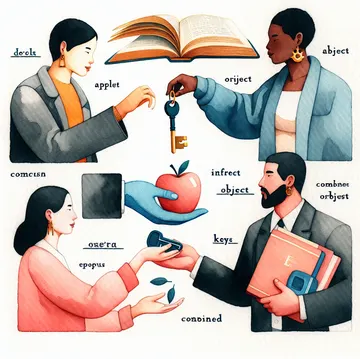
16. Register: Formale vs. Informale in CELI 2
| Feature | Formale | Neutro | Informale |
|---|---|---|---|
| Address | Lei + 3rd singular | Lei/tu | tu |
| Opening | Egregio/a..., Gentile... | Gentile... | Ciao/Salve |
| Closing | Distinti saluti/Cordiali saluti | Cordiali saluti | A presto/Un abbraccio |
| Request | Vorrei cortesemente... | Potrei chiederle... | Mi puoi...? |
17. Writing Templates for CELI 2 Production
CELI 2 includes a short message/email (60–80 words) and a longer argumentative/narrative text (120–150 words).
Task 1 — Email / Messaggio Breve
INFORMALE
Ciao [nome],
Come stai? Ti scrivo perché [motivo].
[Informazione principale]
[Domanda/proposta]
A presto,
[Nome]

FORMALE
Gentile Sig./Sig.ra [Cognome],
Le scrivo in merito a [argomento].
[Corpo del messaggio]
Resto a disposizione per ulteriori informazioni.
Cordiali saluti,
[Nome e cognome]
Task 2 — Testo Argomentativo (120–150)
INTRODUZIONE (25-30)
Tema + inquadramento

PARAGRAFO 1 (40-45)
Primo argomento + esempio

PARAGRAFO 2 (40-45)
Contro-argomento + concessione (sebbene + congiuntivo)

CONCLUSIONE (20-25)
Sintesi + posizione finale
Lettera formale structure
[Luogo, data]
Egregio/a Sig./Sig.ra [Cognome],
Oggetto: [tema]
Le scrivo per [motivo].
[sviluppo]
La prego di [richiesta].
In attesa di un Suo riscontro,
La ringrazio.
Distinti saluti,
[Nome Cognome]
18. Common B1 Errors and How to Fix Them

| Common error | Wrong | Correct |
|---|---|---|
| No agreement with essere | Lucia è andato | Lucia è andata |
| Congiuntivo with same subject | Voglio che io venga | Voglio venire |
| Se + condizionale | Se verrei, ti chiamerei | Se venissi, ti chiamerei |
| Missing partitive | Ho comprato latte | Ho comprato del latte |
| Sapere/conoscere confusion | Conosco dov'è la stazione | So dov'è la stazione |
| Imperfetto for one-off event | Ieri incontravo Marco | Ieri ho incontrato Marco |
| Wrong register | Puoi inviarmi il documento? | Può inviarmi il documento? |
| -isc- pattern error | capisciamo | capiamo |
| Pronoun order | lo mi dai? | me lo dai? |
| Missing contraction | a il mercato | al mercato |
Tutto insieme — Putting It All Together
You now have the complete B1 grammar architecture for CELI 2: article system including partitive, five tenses, passato prossimo vs imperfetto, essere/stare, sapere/conoscere, congiuntivo presente, condizionale, tipo 1/2 hypotheticals, pronoun systems, connector repertoire, register control, templates, and top error patterns.
The CELI 2 does not test perfection. It tests whether you can communicate clearly and accurately enough in Italian to function independently — in writing, in conversation, and in bureaucratic contexts.
Last updated: April 2026. All examples reflect standard Italian as required for the CELI 2 B1 examination administered by the Università per Stranieri di Perugia.